Understanding larger apparatus
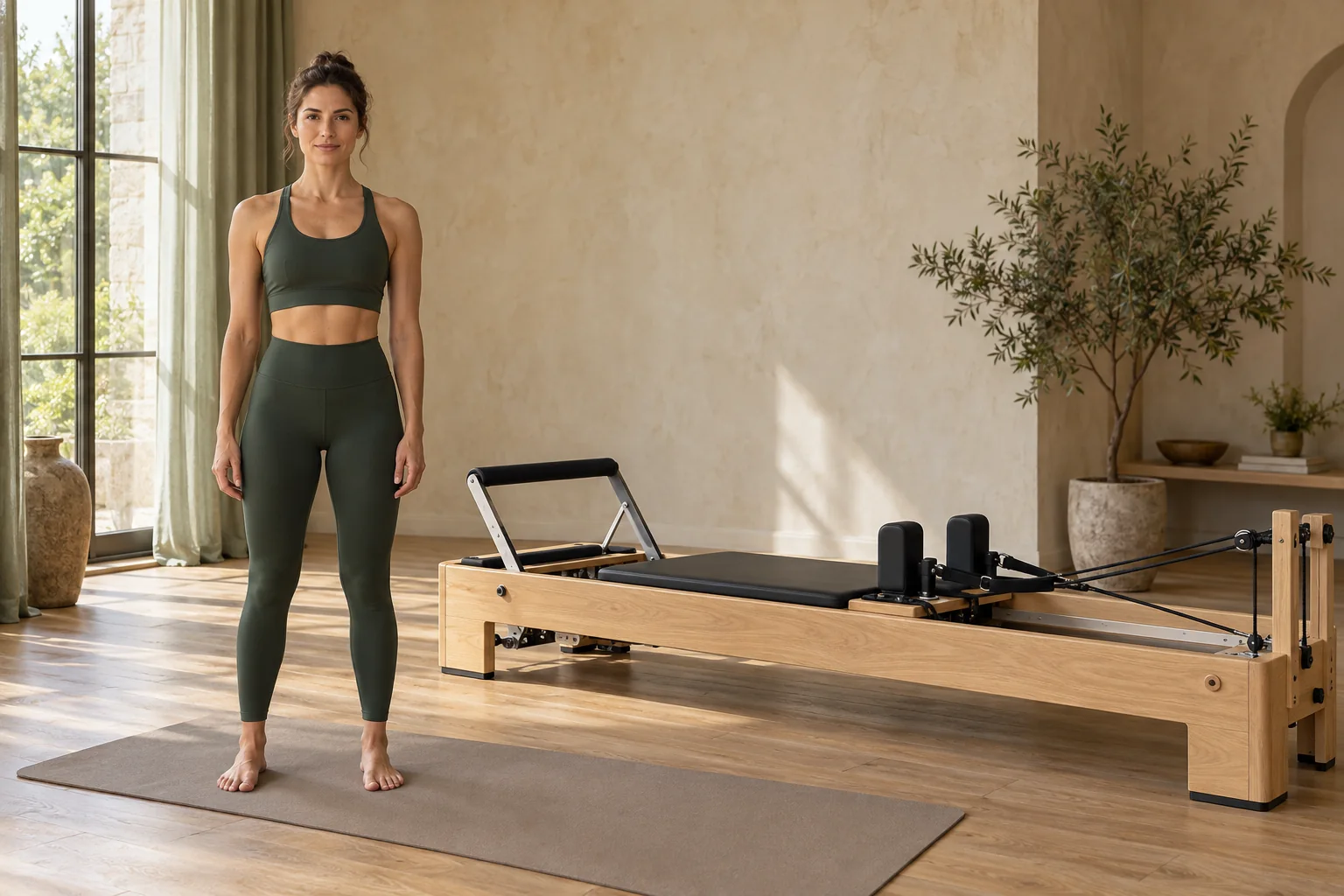
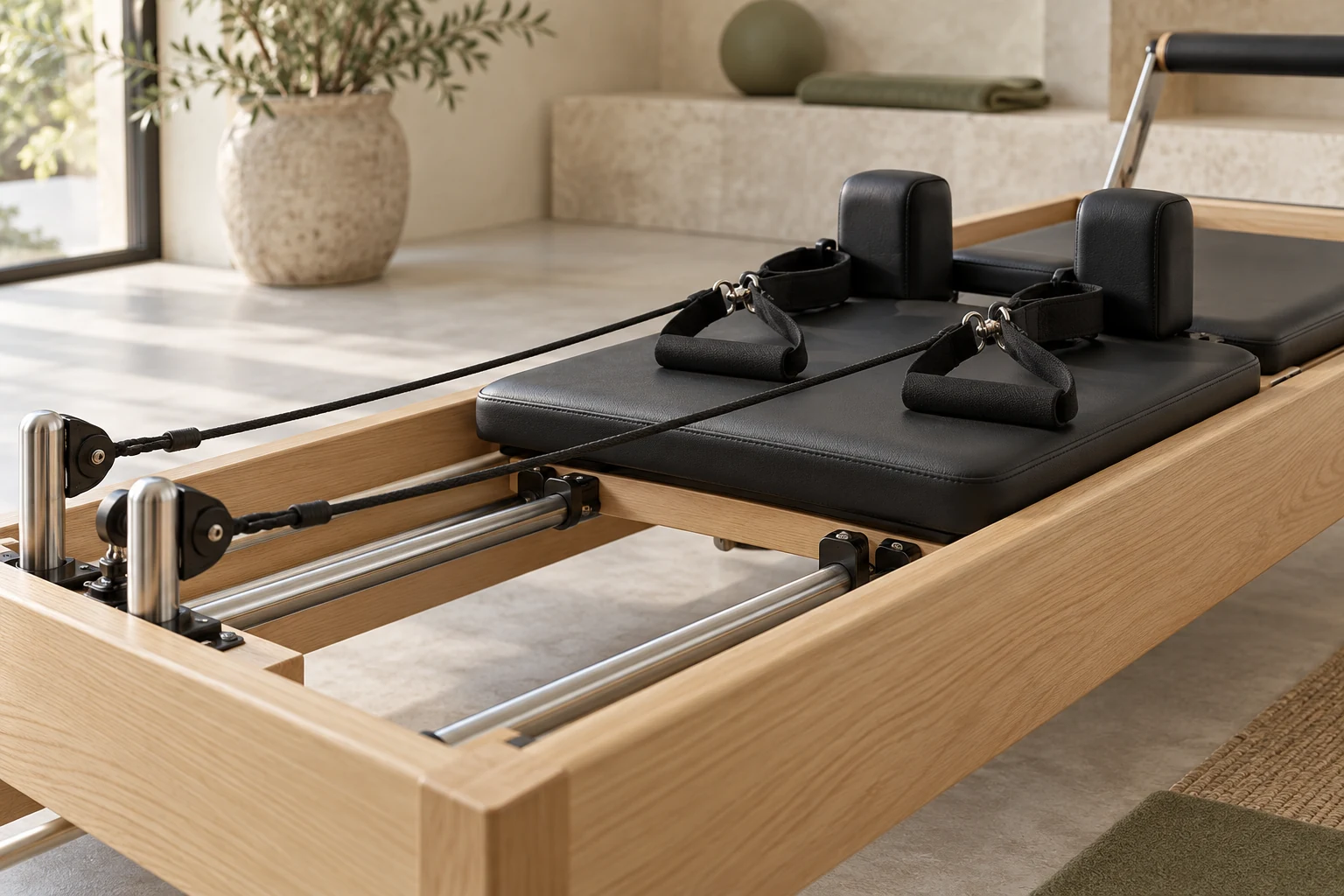
A reformer is recognised by its moving carriage, springs and straps. An instructor adjusts these elements for a movement task. Settings should not be changed through guesswork: an introductory lesson should clearly explain the parts and how they are used in that studio.
A Cadillac has a frame with various attachments. A Chair usually includes a pedal and spring resistance. The same equipment name does not promise an identical configuration everywhere. Ask what apparatus is actually available and which classes use it before making assumptions from a description.
Small accessories have a purpose too
Mats, balls, rings and resistance bands give instructors different ways to organise a lesson. An accessory’s price or appearance does not establish that you need it. Understanding why it is introduced and how it relates to the current task is more useful.
There is no need to buy an entire kit before your first visit. Ask what the studio provides, what must be personal and how equipment is cleaned. Those questions help you plan costs and avoid unnecessary purchases before trying a particular class format for yourself.
Look beyond a striking photograph
You can ask a studio about equipment maintenance, clear working space and introductory guidance. The number of machines and a recognisable brand do not guarantee good teaching. Consider how settings are explained and how an instructor observes participants throughout the class.
Images on this test version of Pilates.az are visual placeholders. They do not establish which equipment Inspire owns. As the studio is expanding, confirm current apparatus, group sizes and available directions directly with the team before arranging a visit on a particular date.
Editorial content for the test website. This is not a personal exercise plan or medical advice.
Find your class format
The class structure, your experience and a conversation with an instructor help you choose a comfortable starting point.
Book a class