Where resistance comes from
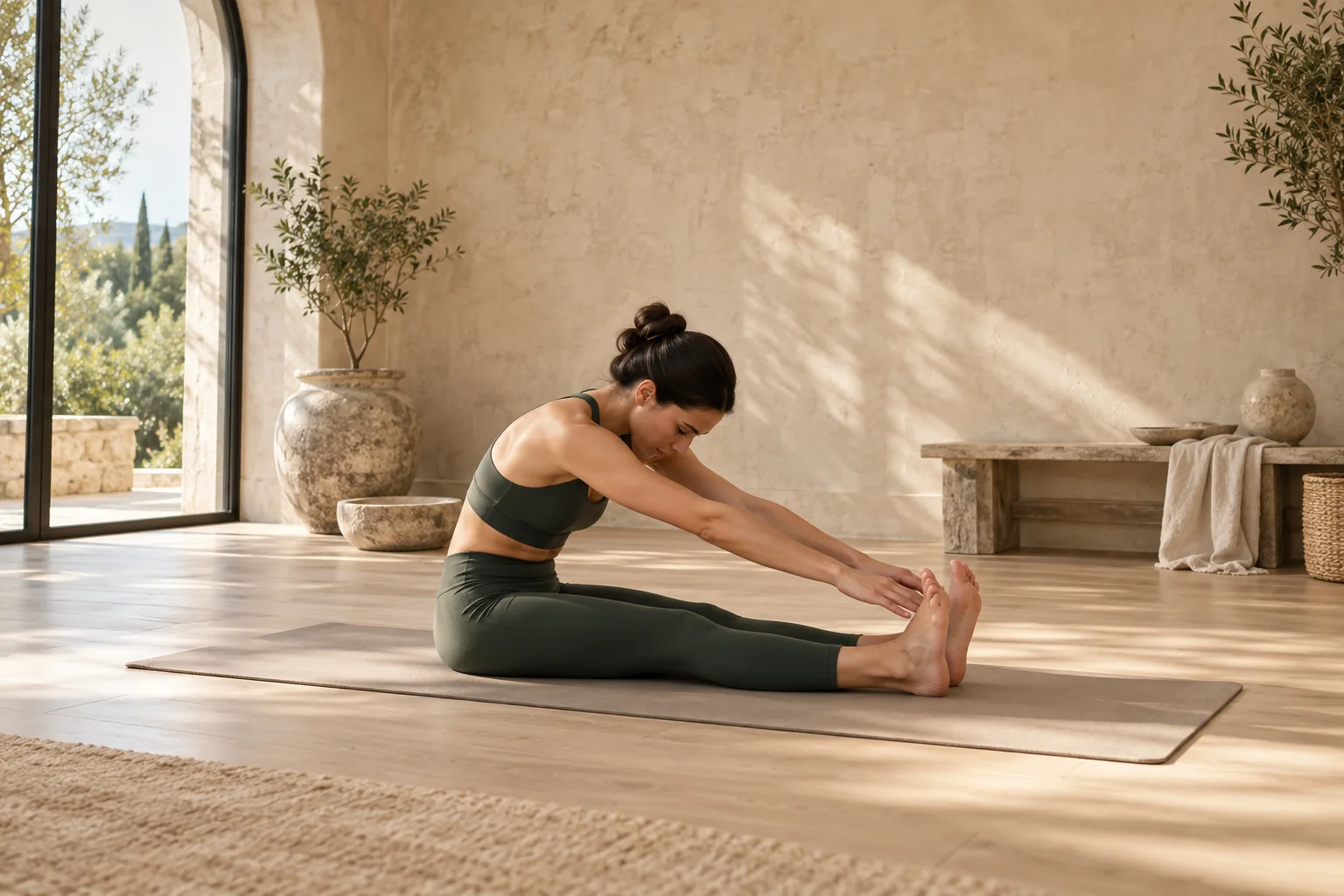
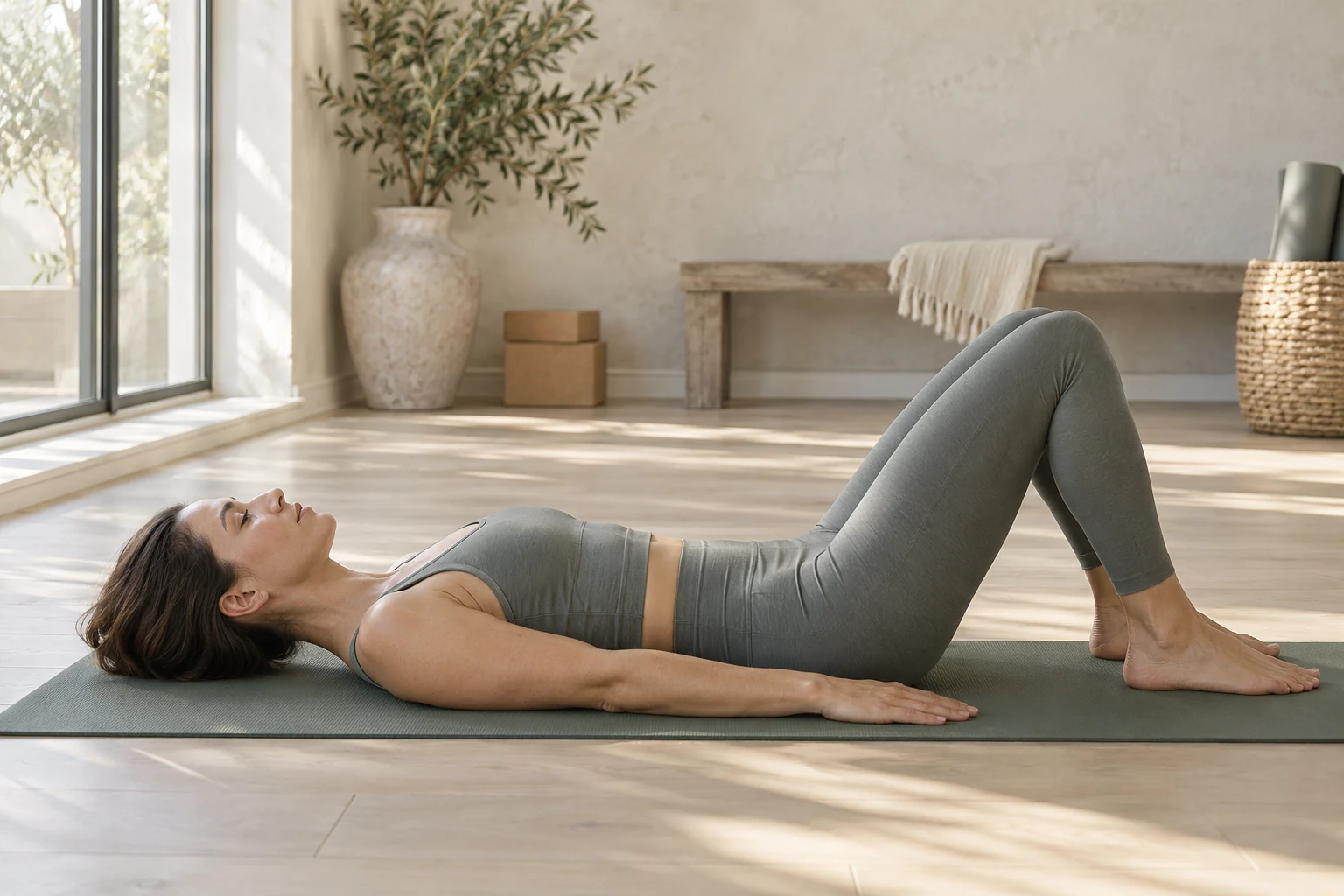
Mat Pilates mainly uses your body weight and your position in relation to gravity. Small accessories may be included, but the mat remains the base of the practice. Minimal equipment can still support varied sequences that require attention and movement control.
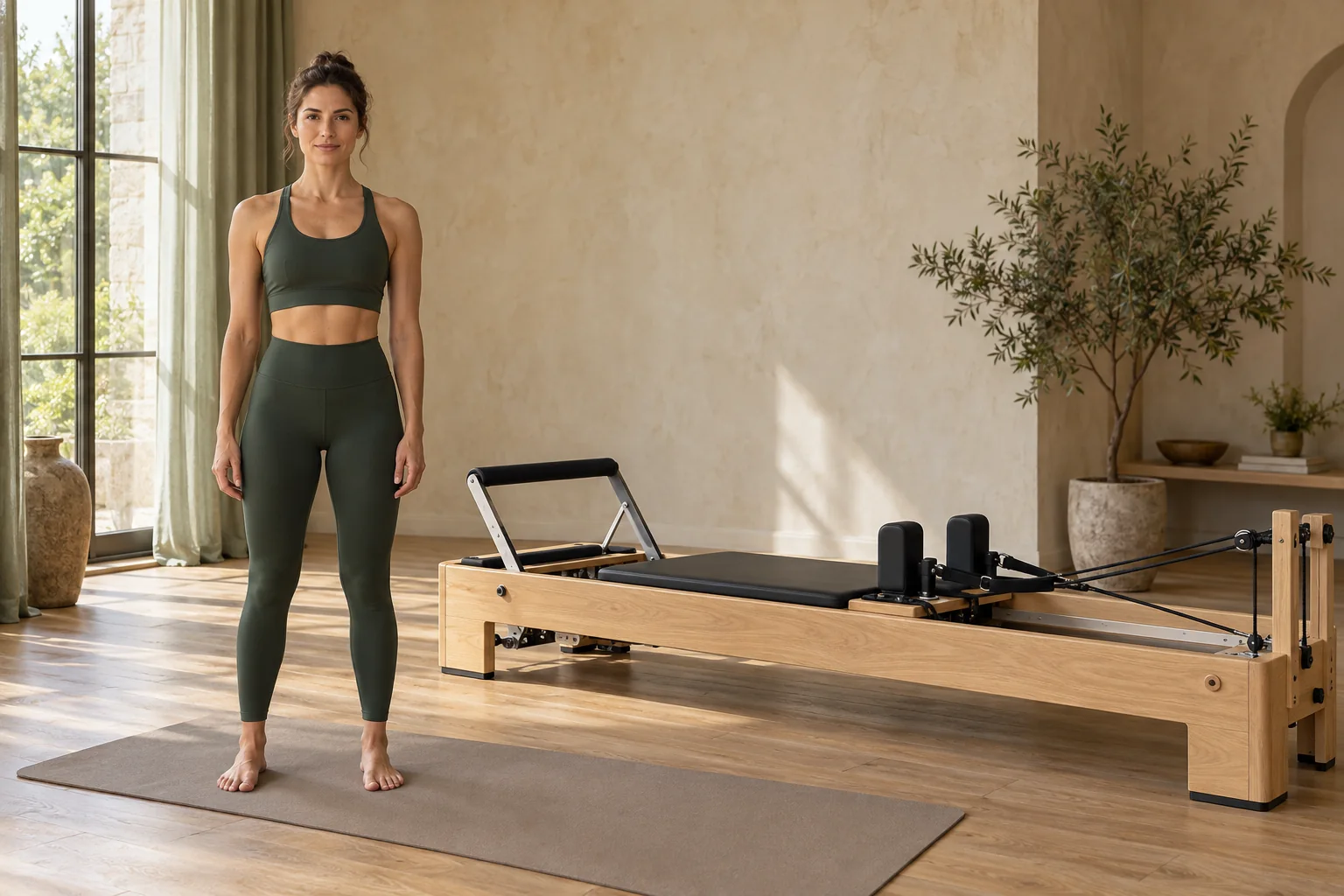
A reformer has a moving carriage, springs and straps. Its springs can assist a task or add resistance, depending on the movement. More springs do not always mean a harder exercise. An instructor should explain the setup and its purpose for each task.
Level matters more than the label
Both formats can include introductory and advanced classes. Ask about the level, pace, group size and teaching approach. These details are more helpful than assuming that equipment work must be more demanding or more effective than a class on the mat.
For reformer sessions, ask how equipment orientation works and how many people an instructor supervises. For mat classes, check the available space, accessories and personal equipment requirements. Attractive apparatus in a photograph does not by itself establish the quality of teaching.
Fit the choice to your week
Compare prices alongside duration, group size, package validity and cancellation rules. A higher price does not automatically make a format more suitable for your aims. Travel time and a workable timetable also influence whether you can attend consistently over time.
Discuss an appropriate introductory visit and consider how clearly you understood the instructions. Which setting makes learning comfortable and regular attendance realistic? Choosing one format need not be permanent: your preferences can develop as you become more familiar with the method and its possibilities.
Editorial content for the test website. This is not a personal exercise plan or medical advice.
Find your class format
The class structure, your experience and a conversation with an instructor help you choose a comfortable starting point.
Book a class