Attention to how you move
Pilates brings movement, breathing and control together. A class considers how a movement starts, the pace at which it develops and how it finishes. Range and repetitions matter, but they are only part of the learning process.
An instructor explains the task, observes your movement and suggests an appropriate variation. A quiet-looking exercise is not necessarily simple. You are learning a skill over time, so clear explanations and space to ask questions are useful signs of a suitable class.
Mat and equipment classes
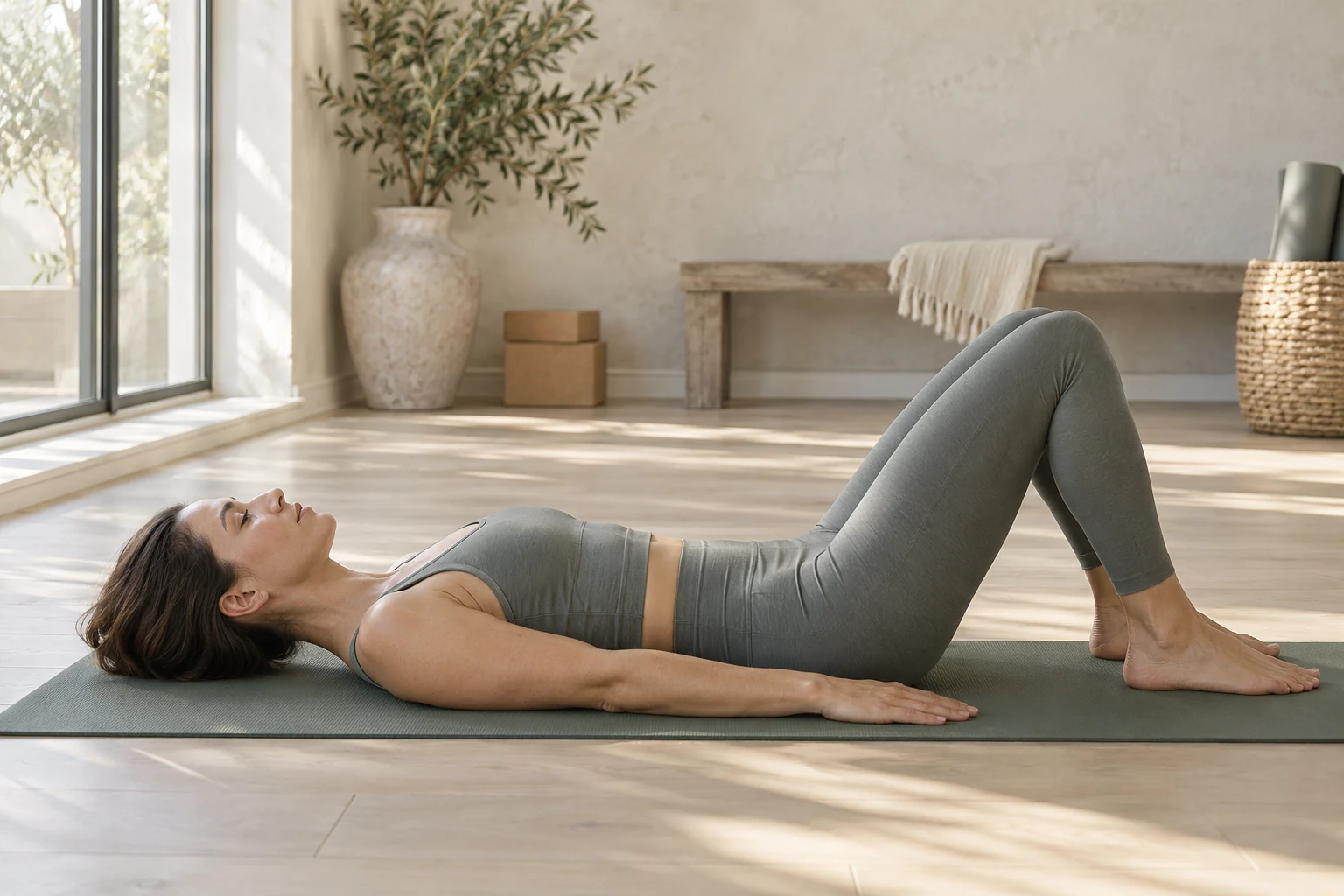
Mat Pilates takes place on a mat and uses your body weight. An instructor may also introduce a small ball, resistance band or ring. The presence of accessories does not define quality; their purpose within the lesson matters more.
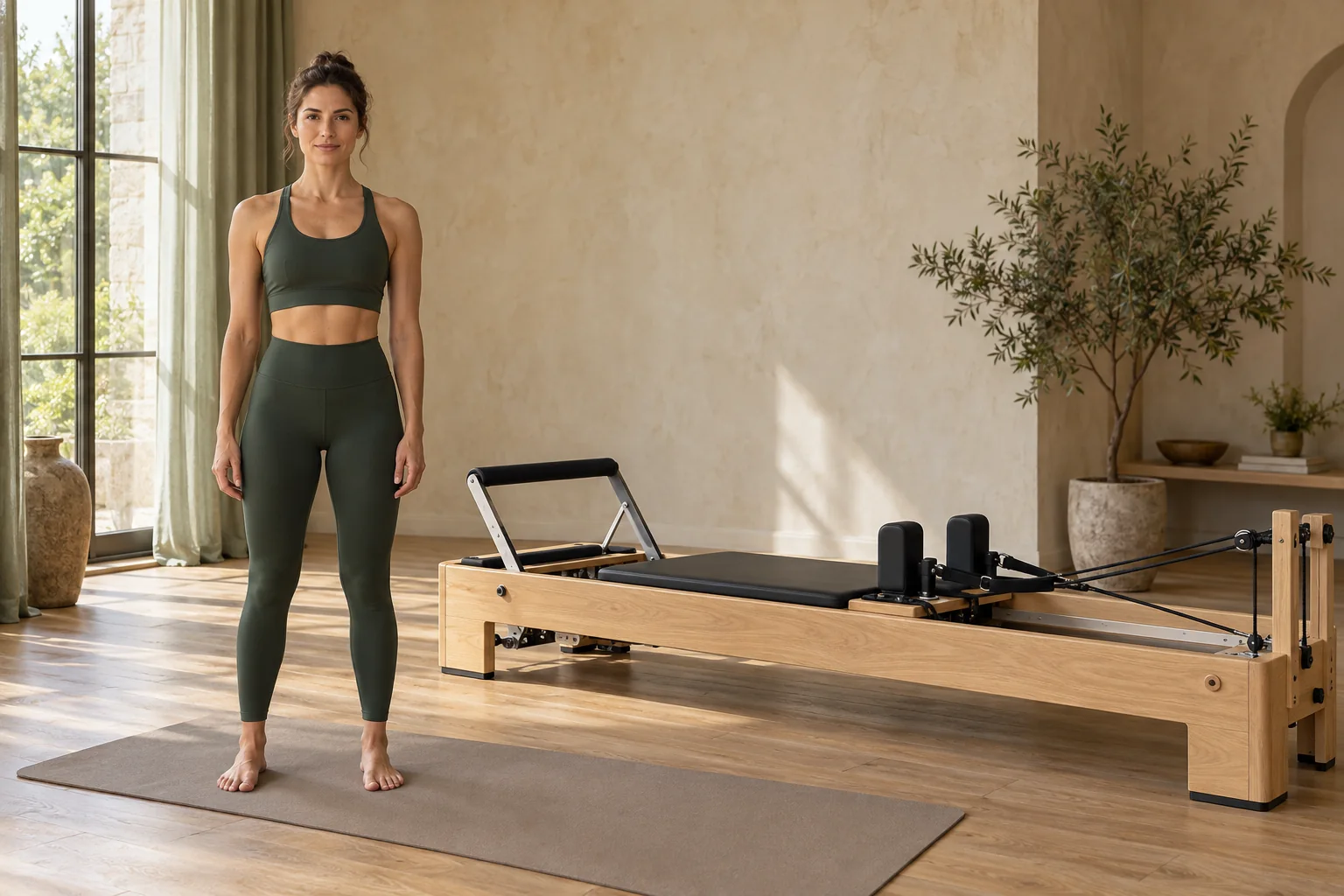
A reformer and other Pilates apparatus use springs, straps and moving parts. These can assist movement as well as provide resistance. An equipment class is therefore not automatically more advanced than a mat class. Suitability depends on your goals, experience and the teaching approach.
Choosing a starting point
Describe what brings you to Pilates in ordinary language: trying a new practice, building strength or making movement part of your week. Ask about beginner instruction, group size and first-visit arrangements before deciding on a membership or package.
After your first class, consider whether the instructions were understandable and the pace felt manageable. A welcoming environment and a realistic schedule support consistency. Confirm current formats, equipment and availability directly with your chosen Baku studio before making a booking.
Editorial content for the test website. This is not a personal exercise plan or medical advice.
Find your class format
The class structure, your experience and a conversation with an instructor help you choose a comfortable starting point.
Book a class